
How to Improve Flexibility: Stretching Routines That Work
29 November, 2024
|
3 min read
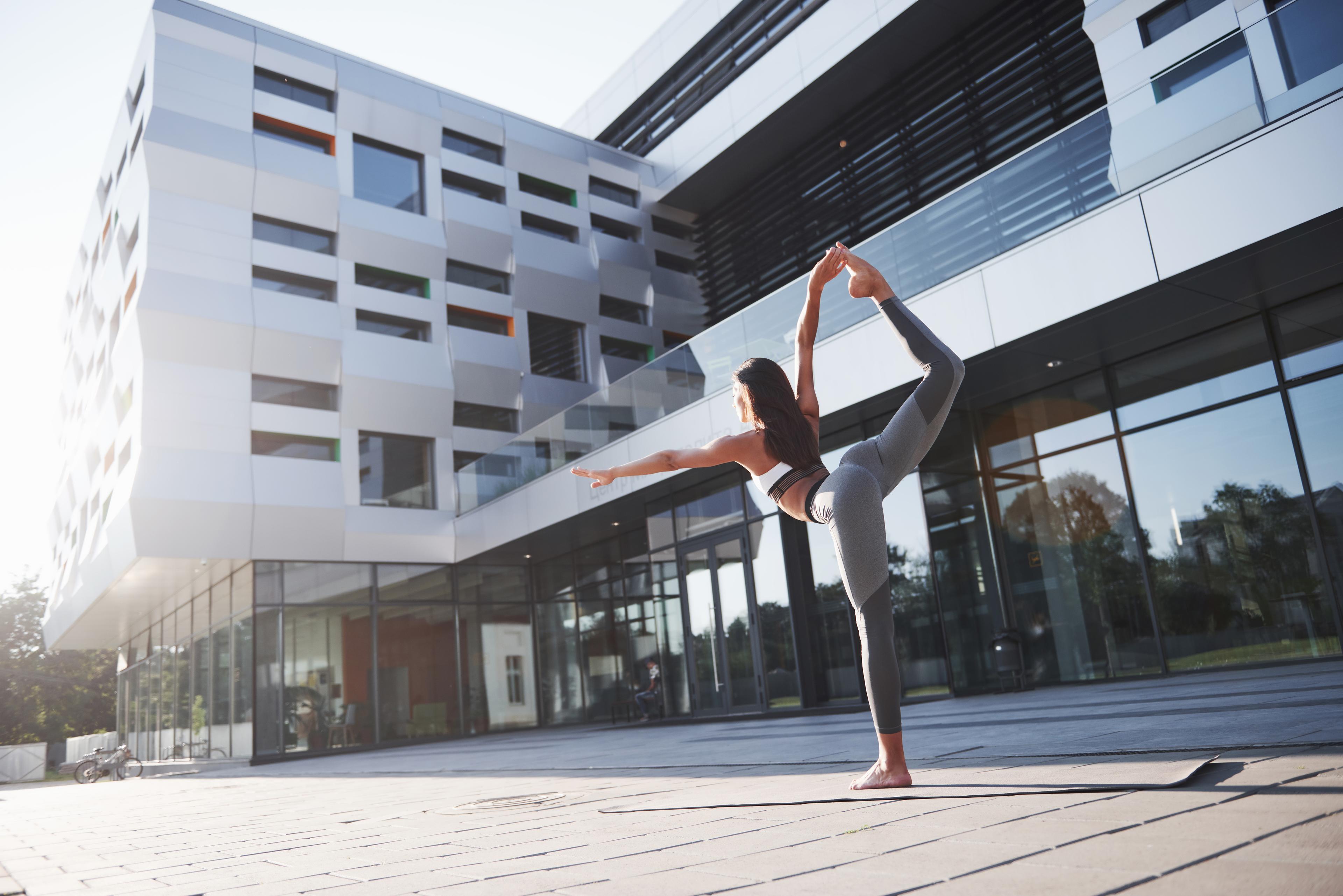
Flexibility is a cornerstone of physical fitness, often overlooked in favor of strength and cardio. Yet, improving flexibility can enhance your athletic performance, reduce injury risks, and boost overall mobility. Whether you're a beginner or a seasoned athlete, incorporating effective stretching routines into your daily regimen can lead to significant improvements.
In this blog, we’ll discuss the importance of flexibility, the best stretching routines, and tips to maximize your results.
Why Flexibility Matters
Flexibility is more than being able to touch your toes. It’s about how efficiently your muscles and joints move through their full range of motion. Here’s why it’s essential:
- Injury Prevention: Flexible muscles are less prone to strains, sprains, and tears.
- Enhanced Mobility: Daily activities, like bending, lifting, or even walking, become easier.
- Improved Posture: Stretching can relieve tension in muscles, helping maintain proper posture.
- Better Athletic Performance: Flexible muscles can generate more power and react more quickly.
Types of Stretching
Before jumping into routines, understand the different types of stretching:
- Static Stretching: Holding a stretch for 15–30 seconds. Ideal for post-workout cool-downs.
- Dynamic Stretching: Controlled movements that prepare your muscles for activity. Best for warm-ups.
- Ballistic Stretching: Using momentum to push muscles beyond their typical range. Suitable for advanced athletes.
- PNF Stretching (Proprioceptive Neuromuscular Facilitation): Combining stretching and muscle contraction to maximize flexibility gains.
Best Stretching Routines to Improve Flexibility
1. Morning Wake-Up Routine
Kickstart your day with a gentle stretching routine to loosen up your muscles:
- Cat-Cow Stretch: Improves spinal flexibility.
- Standing Forward Bend: Stretches hamstrings and lower back.
- Seated Spinal Twist: Enhances spinal mobility.
Duration: 5–10 minutes.
2. Pre-Workout Dynamic Stretching
Prepare your muscles for movement with these dynamic stretches:
- Leg Swings: Loosens up hips and hamstrings.
- Arm Circles: Improves shoulder mobility.
- Lunge with a Twist: Stretches quads, hips, and spine.
Duration: 10 minutes.
3. Post-Workout Static Stretching
Help your muscles recover with these stretches:
- Child’s Pose: Stretches lower back and shoulders.
- Butterfly Stretch: Targets inner thighs and hips.
- Downward Dog: Improves flexibility in the hamstrings and calves.
Duration: 10–15 minutes.
4. Deep Stretching for Flexibility Gains
If improving flexibility is your main goal, dedicate 20–30 minutes to deep stretching:
- Pigeon Pose: Opens up the hips.
- Seated Forward Fold: Stretches hamstrings and lower back.
- Cobra Stretch: Improves spinal extension.
Pro Tip: Incorporate yoga sessions once or twice a week for a comprehensive flexibility workout.
5. Desk Stretches for Office Workers
Combat the effects of prolonged sitting with these quick stretches:
- Neck Rolls: Relieve tension in the neck.
- Seated Spinal Twist: Improves spine mobility.
- Wrist Flexor Stretch: Eases wrist strain from typing.
Duration: 5 minutes, repeat every few hours.
Tips for Effective Stretching
- Warm Up First: Stretching cold muscles can lead to injury. Always warm up with light activity.
- Breathe Deeply: Deep breaths help your muscles relax during stretches.
- Listen to Your Body: Stretch to the point of mild tension, not pain.
- Stay Consistent: Flexibility improvements take time. Aim for at least 3–4 stretching sessions per week.
- Use Props: Yoga blocks, straps, or foam rollers can assist with deeper stretches.
Common Mistakes to Avoid
- Skipping the Warm-Up: Always warm up before stretching.
- Overstretching: Avoid pushing your muscles too far, as this can cause injury.
- Inconsistent Practice: Flexibility requires consistent effort; sporadic stretching won’t yield results.
Conclusion
Improving flexibility is a gradual process that requires commitment and consistency. By incorporating the routines and tips mentioned above, you can boost your range of motion, enhance your physical performance, and enjoy a healthier, more active lifestyle.
Whether you’re an athlete aiming for peak performance or someone looking to improve daily mobility, flexibility training is a game-changer. Start today, and your future self will thank you!
Try any WTF gym for ₹1
One-day pass · expert trainers · no commitment