
The Ultimate Guide to Vegetarian Iron-Rich Foods
26 November, 2024
|
4 min read
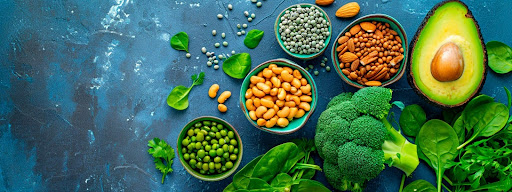
Iron is a critical nutrient that many people, especially vegetarians, need to pay close attention to. With the right knowledge and food choices, maintaining adequate iron levels on a vegetarian diet is entirely achievable. This guide delves into why iron is essential, unveils the best vegetarian sources, and shares practical tips to enhance iron absorption, particularly important for groups with higher iron needs, such as pregnant women.
Why Iron is Important
Iron is an essential mineral that plays a critical role in several bodily functions. It is a key component of haemoglobin, the protein in red blood cells that carries oxygen from the lungs to the rest of the body. Iron is also involved in energy production and immune function.

Symptoms of Iron Deficiency
Iron deficiency is a common nutritional deficiency worldwide, particularly among vegetarians. Common symptoms include:
- Fatigue and Weakness: Feeling unusually tired or weak can be a sign of iron deficiency.
- Pale Skin: Reduced haemoglobin levels can cause the skin to appear paler than usual.
- Shortness of Breath: Without enough iron, your body can’t produce enough haemoglobin for red blood cells, leading to reduced oxygen delivery to tissues and shortness of breath.
- Dizziness and Headaches: Iron deficiency can lead to insufficient oxygen supply to the brain, causing headaches and dizziness
Types of Iron
Iron in food comes in two forms: heme and non-heme iron. Understanding the differences between these types and their absorption rates is crucial for maintaining adequate iron levels, especially on a vegetarian diet.
Heme vs. Non-Heme Iron
Heme Iron
Description: Heme iron is derived from hemoglobin and myoglobin in animal products. It is found in foods such as red meat, poultry, and fish. This type of iron is bound to heme proteins, making it more bioavailable and easier for the body to absorb.
Sources: Red meat, chicken, turkey, fish, and seafood.

Absorption Rate: Heme iron has a high absorption rate of about 15-35%, which means the body can efficiently use it without being significantly affected by other dietary factors.
Non-Heme Iron
Description: Non-heme iron is found in plant-based foods and is not bound to heme proteins, which makes its absorption more variable and less efficient. This type of iron is influenced by other components in the diet that can either enhance or inhibit its absorption.
Sources: Legumes (lentils, beans, chickpeas), dark leafy greens (spinach, kale), nuts and seeds (pumpkin seeds, sesame seeds), whole grains (quinoa, oats, brown rice), and fortified foods (cereals, bread, plant-based milks).
Absorption Rate: Non-heme iron has a lower absorption rate of about 2-20%. Its absorption can be significantly affected by other dietary components, which makes it important for vegetarians to use strategies to enhance its bioavailability.
Absorption Rates and Enhancing Iron Absorption
Non-heme iron is less readily absorbed by the body compared to heme iron. However, several factors can influence the absorption rates of non-heme iron, and understanding these can help vegetarians optimize their iron intake.
Factors Affecting Non-Heme Iron Absorption
Enhancers:
- Vitamin C: Vitamin C can increase the absorption of non-heme iron by converting it into a more absorbable form. Foods rich in vitamin C include citrus fruits, strawberries, bell peppers, and broccoli.
- Certain Organic Acids: Citric acid and lactic acid, found in fruits and fermented foods, can also enhance non-heme iron absorption.
Inhibitors:
- Phytates: Found in whole grains, legumes, and nuts, phytates can bind to iron and reduce its absorption. However, methods like soaking, sprouting, or fermenting these foods can reduce phytate levels.
- Calcium: High amounts of calcium can inhibit the absorption of both heme and non-heme iron. It is advisable to consume calcium-rich foods separately from iron-rich meals.
- Polyphenols: Present in tea, coffee, and some vegetables, polyphenols can inhibit iron absorption. Avoid consuming tea or coffee with meals to maximize iron absorption.
Conclusion
Iron is an essential nutrient that plays a critical role in maintaining health and energy levels. Vegetarians can meet their iron needs by including a variety of iron-rich foods and using strategies to enhance absorption. Whether you’re looking to boost your iron intake or ensuring adequate iron during pregnancy, this guide provides the information you need to maintain a healthy, balanced diet.