
Life After Death: Exploring the Mystery Beyond the Veil
28 November, 2024
|
3 min read
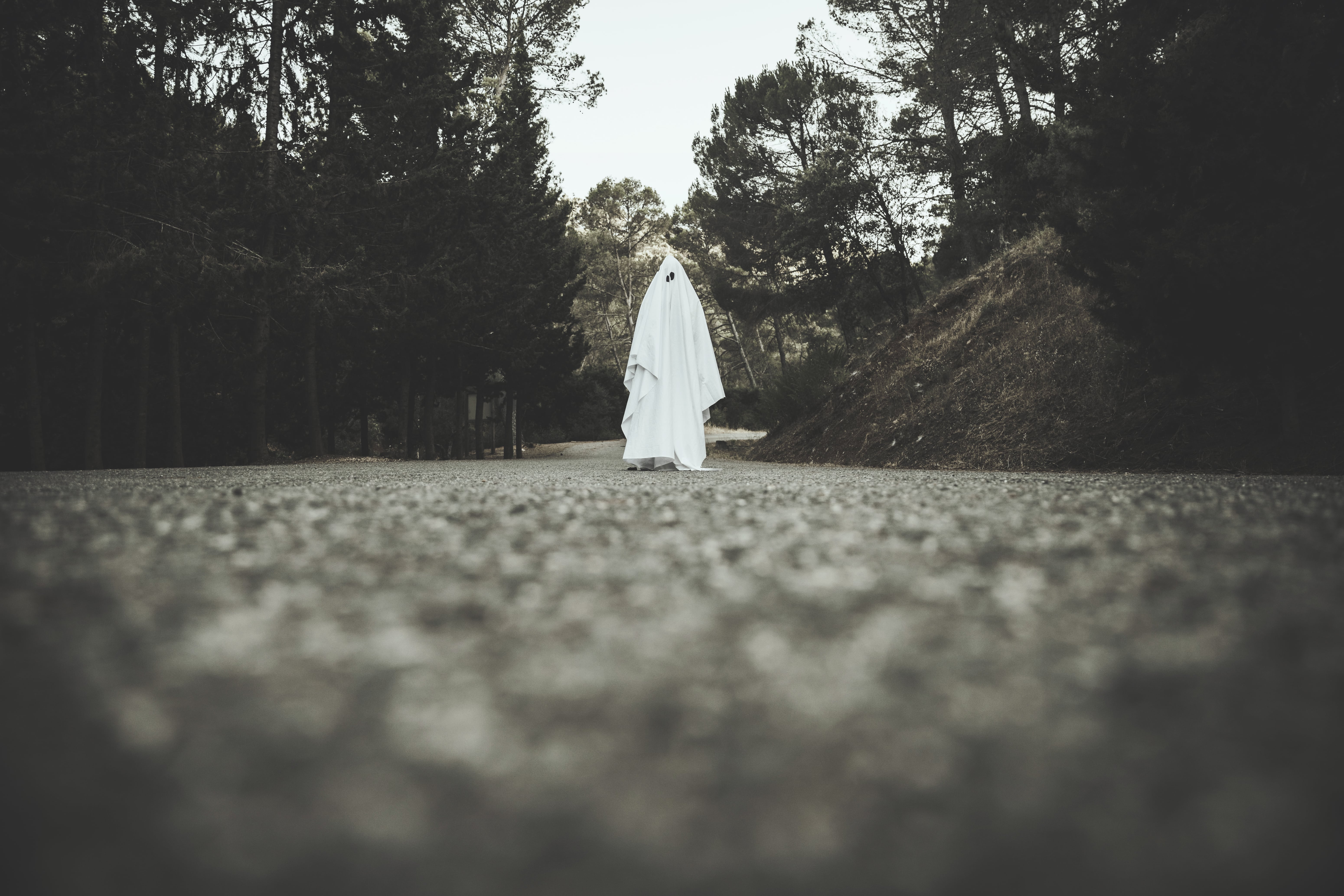
The concept of life after death has fascinated humanity for centuries, inspiring countless beliefs, philosophies, and scientific investigations. From religious doctrines to near-death experiences, the question of what happens when we die is one of the most profound mysteries we face. In this blog, we explore various perspectives on life after death, highlighting how different cultures and fields of study approach this eternal question.
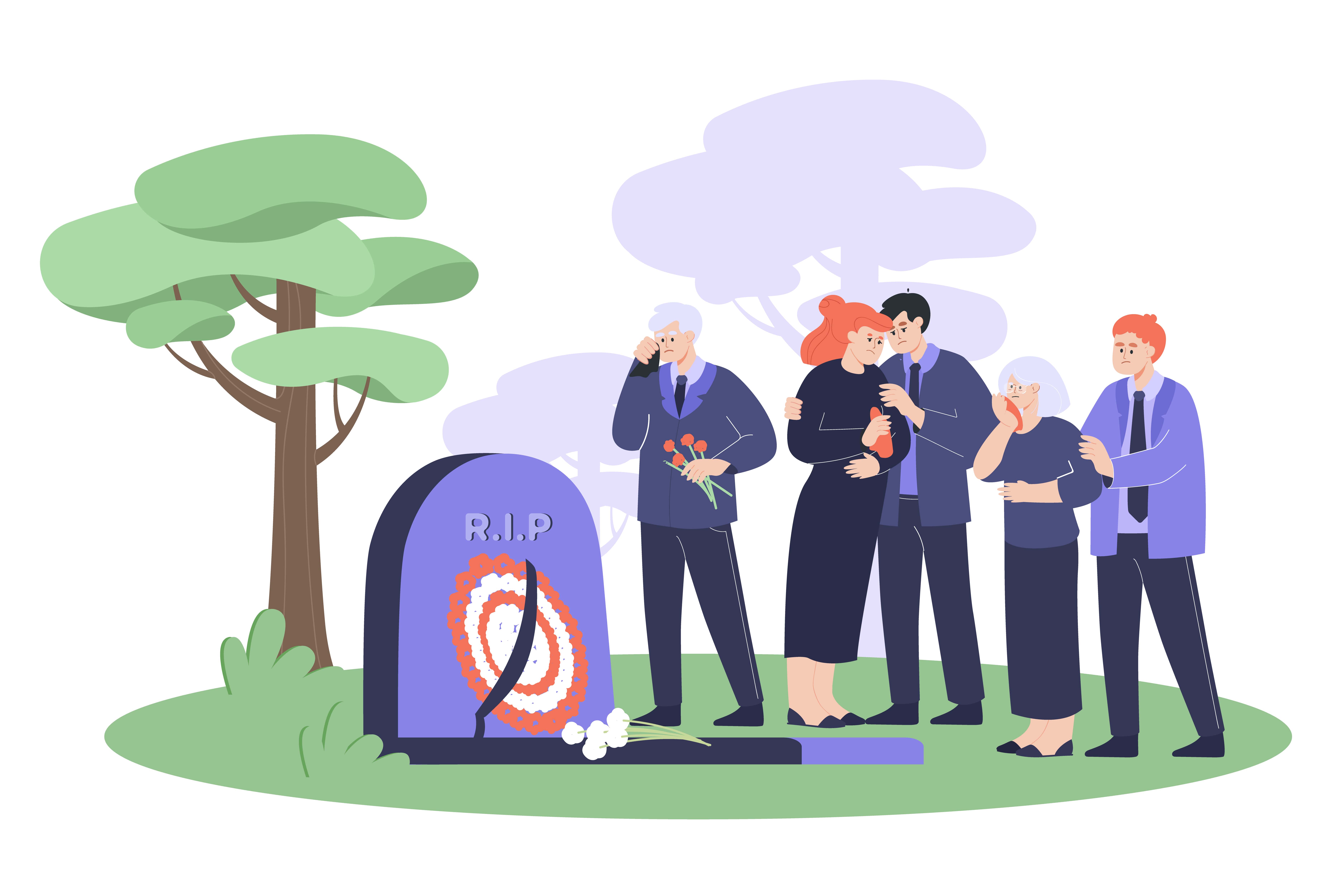
1. Religious and Spiritual Beliefs
A Universal Curiosity
Nearly every religion addresses the notion of an afterlife, offering unique interpretations of what lies beyond physical death.
- Christianity: Emphasizes heaven and hell as eternal destinations based on one's faith and deeds during life.
- Hinduism and Buddhism: Focus on reincarnation, where the soul undergoes cycles of rebirth until achieving liberation or enlightenment.
- Islam: Teaches about paradise and hell, with detailed descriptions of the afterlife based on moral actions.
- Indigenous and Animistic Traditions: Often highlight a continued connection with nature or ancestors in spiritual realms.
Despite differences, these beliefs provide comfort, emphasizing that death is not an end but a transition.
2. Philosophical Perspectives
Philosophers have long pondered the nature of existence beyond death. While some argue for the immortality of the soul, others suggest that consciousness ceases with the body. For example:
- Plato: Believed in an eternal soul that pre-exists and outlasts the physical body.
- Epicurus: Asserted that death is simply the absence of experience, and thus nothing to fear.
- Modern existentialists: Highlight the importance of living meaningfully in the face of death’s uncertainty.
3. Scientific Explorations
In recent decades, science has sought to understand death and consciousness through empirical study:
- Near-Death Experiences (NDEs): Thousands of people report experiences of light, tunnels, or meeting loved ones during clinical death. Researchers are exploring whether these are brain phenomena or glimpses of another realm.
- Quantum Theories: Some scientists propose that consciousness might exist in ways not bound by the brain, hinting at dimensions beyond our current understanding.
- Resuscitation Science: Advances in medical technology allow for revival after cardiac arrest, offering insights into the threshold between life and death.
While science hasn’t confirmed an afterlife, it continues to expand our understanding of death’s mysteries.
4. Cultural Narratives
Cultures worldwide celebrate life and death in diverse ways, reflecting their beliefs in an afterlife:
- Mexican Day of the Dead (Día de los Muertos): A joyful celebration honoring departed loved ones with altars, food, and music.
- Egyptian Afterlife: Ancient Egyptians believed in elaborate rituals and preparations to ensure a safe journey to the next world.
- Tibetan Book of the Dead: Offers guidance for navigating the intermediate state (bardo) between death and rebirth.
These traditions remind us that death is as much a cultural and emotional experience as it is a physical reality.
5. What Does It Mean to Live in the Shadow of Death?
Whether or not one believes in an afterlife, contemplating death can profoundly shape how we live:
- Gratitude: Recognizing life’s impermanence fosters appreciation for the present moment.
- Compassion: Understanding mortality can inspire deeper empathy for others.
- Purpose: Many find meaning in contributing to something greater than themselves, creating a legacy that outlasts physical existence.

Closing Thoughts
Life after death remains an enigma, open to interpretation and belief. Whether through faith, philosophy, or science, humanity’s pursuit of understanding death underscores a universal truth: our curiosity and yearning for meaning are as infinite as the mystery itself.
What lies beyond may never be fully understood, but perhaps the journey to find answers is as important as the destination itself.
Let us embrace the mystery and live with purpose, cherishing the gift of life while preparing for the unknown beyond.